INDUSTRIES · FOOD & BEVERAGE
Make the next order as good as the first.
Food and beverage businesses need a direct channel that fits the product, the delivery operation and the margin. We work on the commerce experience and ongoing growth, including repeat ordering, subscriptions and customer communications where they suit the business. Packaging, freight and fulfilment belong in the commercial plan alongside acquisition and retention.
Food & Beverage clients







What changed for food and beverage commerce
Food and drink has always been a volume business run through retailers. Brands now have a direct channel with real margin in it, and almost none of the grocery assumptions carry across.
Direct has to justify itself to the buyer as well as the customer.
A DTC price that undercuts your grocery list starts an argument with the people moving most of your volume. The brands trading well use direct for what retail cannot do, larger formats, subscription cadence, limited releases and gifting.
Freight decides the basket long before merchandising does.
Chilled lanes, weight-based rates, glass breakage and short shelf life set a floor under what ships profitably, and interstate or trans-Tasman freight on a chilled product can cost more than the goods in the box. That belongs in your pack sizes and your thresholds, not in a margin surprise at the end of the quarter.
Discovery moved to the aisle and the answer engine at once.
A shopper meets a brand on a shelf and looks it up on their phone, or hears about it from a creator and wants to know who stocks it. The stockist page and the store locator are commercial pages now, and category education does the job the shelf talker used to.
Make the buying and delivery details clear.
01
Show what is in the product.
Ingredients, pack size, preparation and storage information help customers choose. Product information needs to be consistent across the website, feeds and customer communications.
02
Make repeat ordering convenient.
A remembered order or subscription can reduce effort where the product suits repeat purchasing. Give customers understandable controls for quantities, frequency and the next delivery.
03
Explain delivery before checkout.
Delivery areas, minimum orders, freight and timing affect whether the purchase works for the customer and the business. Chilled or frozen products may need a different fulfilment path.
04
Measure the direct channel commercially.
Review acquisition and repeat purchasing alongside packaging, delivery and fulfilment costs. Revenue alone does not show what an order contributes.
What we usually solve for food and drink brands
including the part food migrations get wrong, moving live subscribers across with their schedules and payment tokens intact.
from bundle builders and multipacks to thresholds, delivery zones and shipping rules set by product type.
from sign-up and self-service skip and swap to lifecycle segmentation and counting the recurring orders placed off-site.
for category, occasion and stockist demand, including store locators and the education content that justifies a premium price.
against first-order friction, basket size and the move from a trial box to a standing order.
paced to gifting windows, seasonal peaks and product launches.
across ERP, 3PL, POS, tax and subscription platforms, including the age verification and delivery restrictions that apply to alcohol.
Published client results
+55% Conversion rate · Silver Fern Farms
November 2021–March 2022
+1044% New users from email · Silver Fern Farms
November 2021–March 2022
Choose the platform around how you trade.
Platform cost needs to be considered with the economics of the order. Subscriptions, stockist sales, delivery restrictions and fulfilment connections can change both the implementation and ongoing cost.
Assess repeat purchasing, subscription tools and fulfilment requirements against the direct-to-consumer model.
Assess how consumer and stockist ordering, account pricing and payment requirements could share the platform.
Consider complex product, pricing or wholesale requirements alongside existing infrastructure and operating costs.
For a group or a specialised operation, assess whether shared services and distinct buying experiences justify the additional engineering ownership.
WOOP!
Bring the direct channel into the wider operation.
A subscription offer affects fulfilment, customer communications and the economics of an order. Those decisions belong in the same programme.
Strategy, development, UX, search, marketing, CRM and data specialists work with your team on the direct channel. Connections into stock, ERP and delivery systems support the experience, while reporting keeps acquisition, repeat purchasing and fulfilment costs in view.
Selected food & beverage work
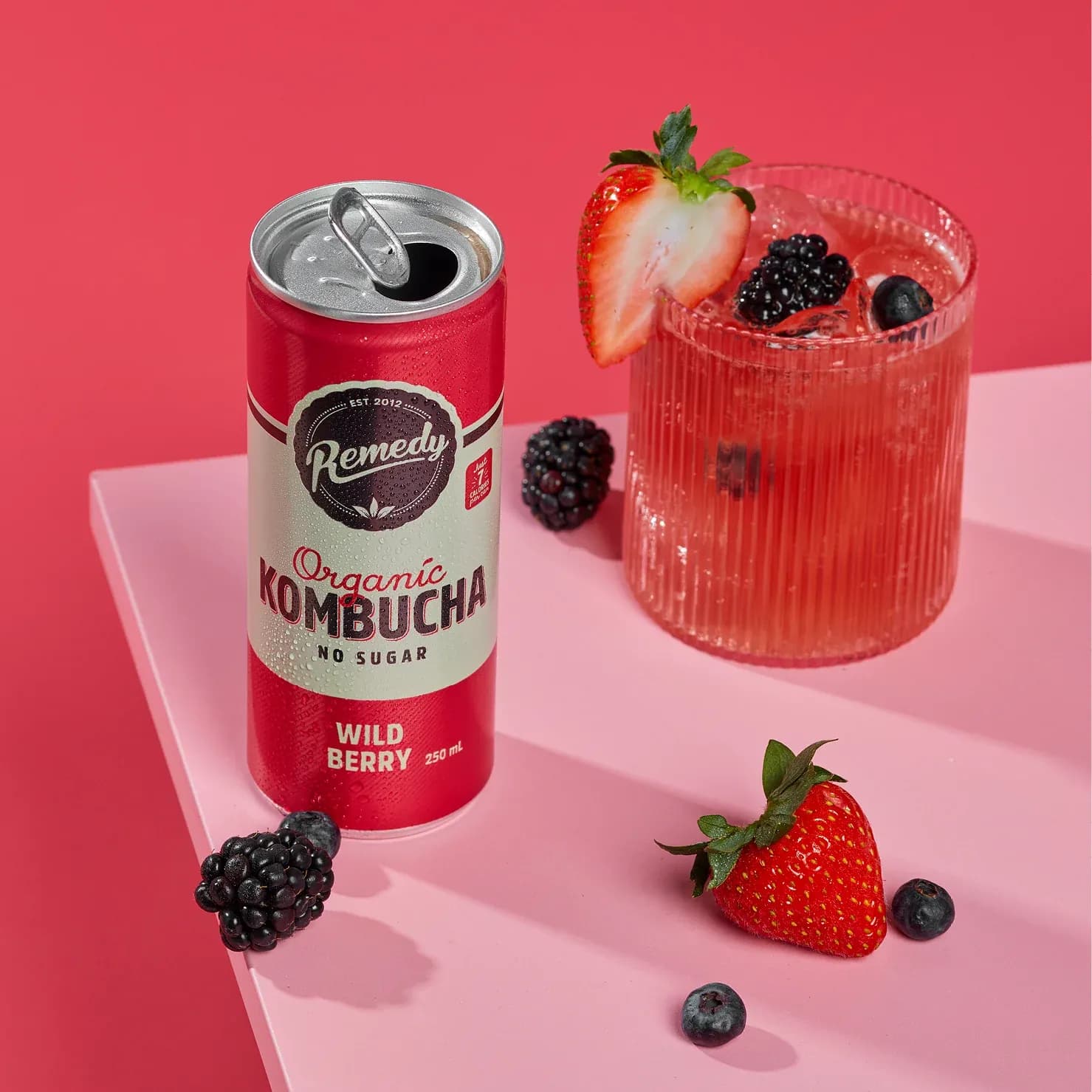
- Shopify PlusStrategyRemedy DrinksA Shopify Plus migration for Remedy Drinks, combining a brand-led redesign with data migration, SEO preservation and continuity for subscriptions, reviews and email automations.
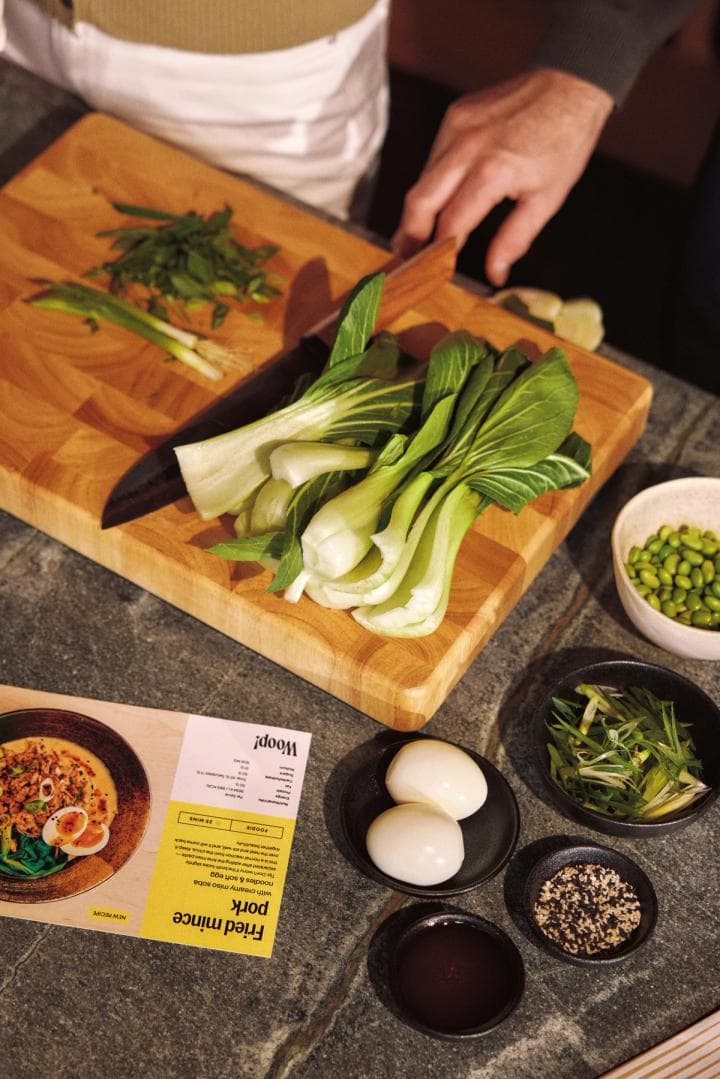
- Adobe CommerceCustomer Journey MappingWOOP!A custom Adobe Commerce subscription platform for WOOP, combining recipe selection, delivery scheduling and existing subscription migration with perishable-stock rules and tailored marketing automation.
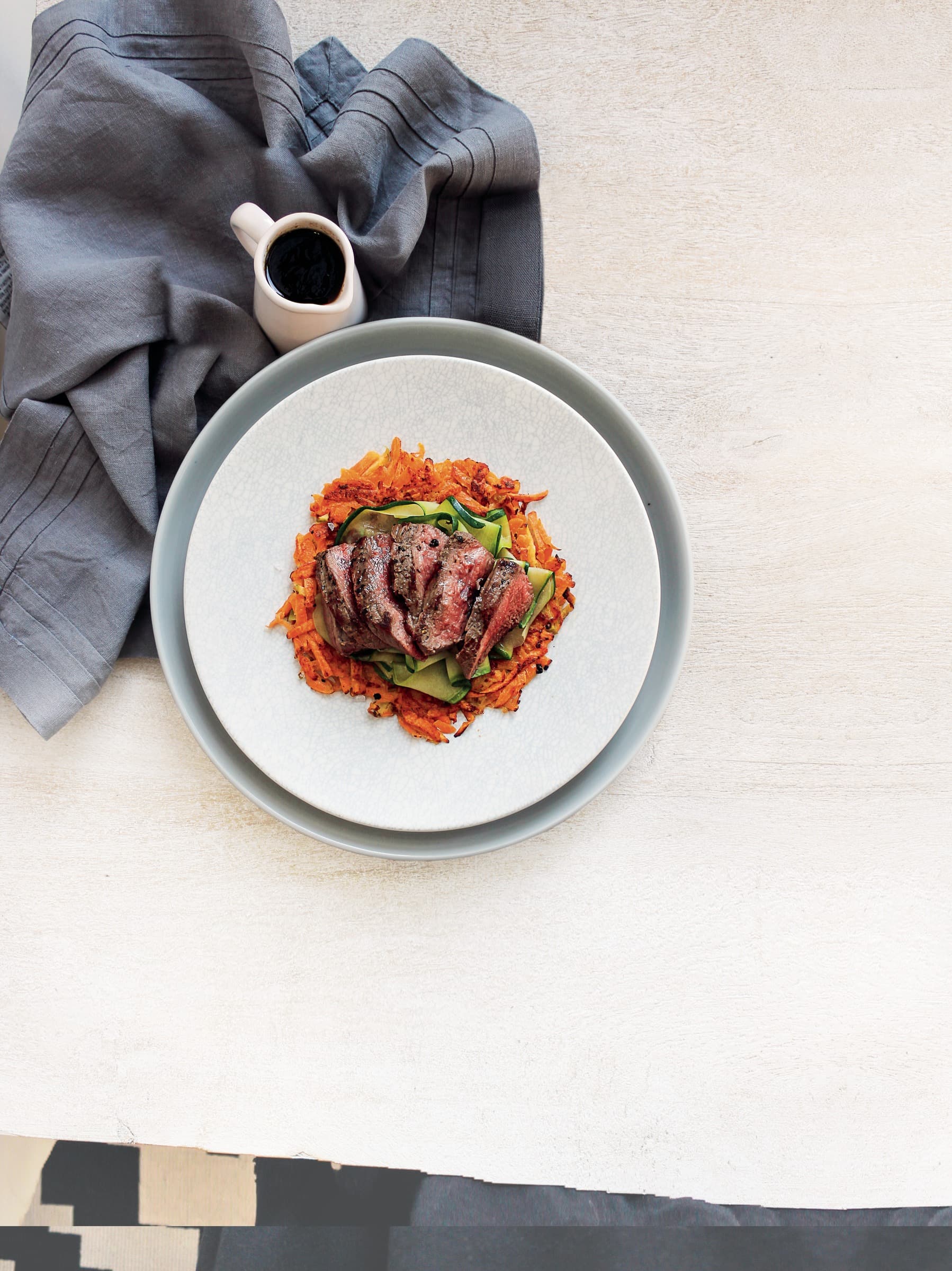
- Silver Fern FarmsA Shopify Plus DTC launch for Silver Fern Farms in the United States, combining research, design and development with product education and ongoing digital trading support.
On the record.
Perspectives from the people we work with.

“With the impending expiration of our contract with our existing web platform, we saw this as an opportunity to explore our options around platform providers. With our site in need of a facelift, and some back end process refinement, we opted to partner with the team at Overdose. to migrate over to Shopify Plus. The team did a fantastic job of meeting our design requirements, injecting some creative flair to the design, while also accommodating all the elements we were hoping to see in the new site, all the while providing best practice insights to help with the build. What I found most useful throughout the whole project, was their organisation and process efficiency. Every problem was dealt with by subject matter experts in a quick and efficient manner, all the while consulting with us on what our desired outcome was.”

Tom Melenhorst,
Digital Marketing and eCommerce Manager

“Overdose have been a vital extension to our team before our first premium food box was even delivered to a door! The team continues to provide invaluable development solutions and support to ensure a robust platform.”

Alexia Walsh,
Head of Marketing & Customer Experience

Let’s look at your direct channel.
Tell us about your products, how you fulfil orders and where you want the direct channel to go. We can look at the customer experience, repeat purchasing and the costs that shape the opportunity.