INDUSTRIES · SPORT & OUTDOORS
In sport and outdoors, the specification closes the sale.
Most of the brands we work with in this category are running someone else's global brand system in a local market, selling equipment and technical apparel that need entirely different merchandising, inside a trading window the weather decides. We build and run the commerce engines that hold that together, for sport, outdoor and performance brands across Australia and New Zealand.
Sport & Outdoors clients











What changed for sport and outdoor commerce
Sport and outdoor brands have always traded on credibility with the people who actually use the gear. What changed is where that credibility gets established, and how little of it now happens on your site.
The comparison happens before the visit.
A buyer works out which jacket, ski or racket they want through reviews, forum threads, creator testing and AI answers, then lands on your site to confirm the spec and check stock. Which means the waterproof rating, the weight and the flex have to sit in structured data a filter, a comparison table and a language model can all read.
Local storefronts are judged against the global one.
Customers in Australia and New Zealand compare the local site to the .com they were reading ten minutes earlier, and expect the same configurator, specifications and imagery. Local teams have to deliver that inside global brand guidelines, on global launch dates, on a fraction of the budget.
Retail and the dealer network came back into the purchase journey.
Distribution agreements mean some ranges cannot be sold online, in-store fitting still closes a large share of high-consideration gear, and click and collect is a real channel now. The site's job there is to route demand to the right stockist, a data problem before it is a merchandising one.
What the best sport and outdoor brands get right
01
Product data that carries the specification.
The attributes that decide the purchase belong in the product record, not the description. Once weight, rating, volume, flex and compatibility are structured properly, the same data drives filtering, comparison, size recommendation and the answer an AI assistant gives about your category.
02
Configuration and fit resolved before the add to cart.
Equipment gets configured and technical apparel gets sized, and both fail the same way when the customer is left guessing. String tension on a racket, an inseam on a drysuit, a choke tube matched to a gauge: the brands that build the tool win the buyer who would otherwise close the tab and ask a shop assistant.
03
Merchandising planned around a season that arrives on a date.
Snow, paddle, hunting and race calendars compress most of the year's trading into short windows, and the work that matters has to be finished before the window opens. Brands that plan the category pages, guides and lifecycle programme for the season change hold full price through it.
04
Search and content built for how the category is researched.
Non-brand demand here sits in specification and problem language rather than product names, and a competitive athlete and a weekend buyer do not search the same way. Capturing it needs guide and category content designed into the architecture, with the technical detail on the page.
The work we are usually brought in to do
including builds that have to hit a global re-theme date without losing local functionality or search equity.
so attributes, metafields and feeds drive filtering, comparison and sizing rather than sitting in copy.
for equipment and technical apparel, built into the platform rather than bolted on as a third-party widget.
so DTC, retail, click and collect and wholesale all read the same inventory position.
for specification and problem-led demand, including the guide content the category is actually researched through.
including the local adaptation of global assets most brand teams are left to solve alone.
segmented by sport, discipline and season rather than by last order date.
Published client results
+91% Australian organic sessions · Swanndri
2021 versus 2023
+52% Revenue · ASICS NZ
+18% Average order value · ASICS NZ
Choose the platform around how you trade.
The pattern we see most often in multi-brand sport groups is not composable. It is one Shopify Plus store per brand behind a shared integration layer, because brand teams trade on their own calendars. We map how you are structured first and recommend second.
Map brand trading calendars, technical product data and stores alongside online sales. Our Amer Sports Group work covers Shopify Plus and Shopify POS.
Include specification-led discovery, technical content and regional ordering requirements in the platform brief.
Where a global parent sets the platform, establish which product, content and integration decisions local teams control.
Agree where brand teams need independence and how shared stock, product data and ordering services should operate.
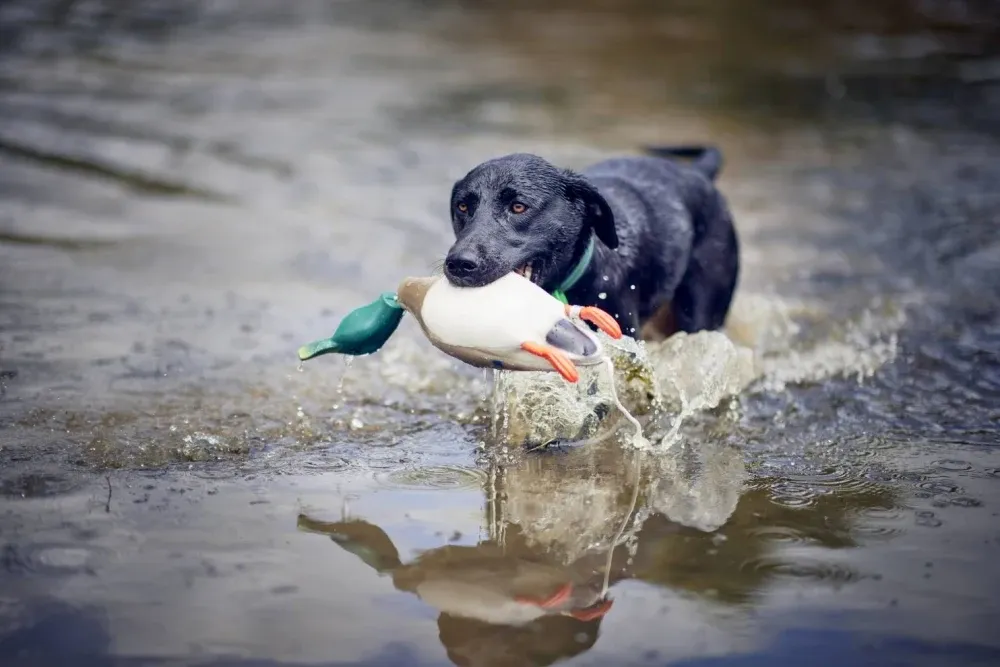
Hunting & Fishing New Zealand
One team across platform, retail and demand
A useful configurator depends on accurate product options, a clear buying journey and reliable connections to stock and ordering systems. Those decisions need to be made together.
We run these accounts as a single programme. Strategy and platform selection set the architecture. UX and CRO work the specification, configuration and sizing journey. Our technology team owns the integrations into ERP, POS, OMS and 3PL so that inventory is honest across DTC, retail, click and collect and wholesale. Search and content build the non-brand demand. Paid media, programmatic and creative keep local activity moving when the only assets available are global ones. CRM and loyalty carry the customer from a first piece of gear into the rest of the kit. Data ties it together, with Looker giving brand and group teams the same view rather than three arguments in three reports.
We agree who owns each part of the work, how decisions are made and how progress will be measured.
Selected sport & outdoors work
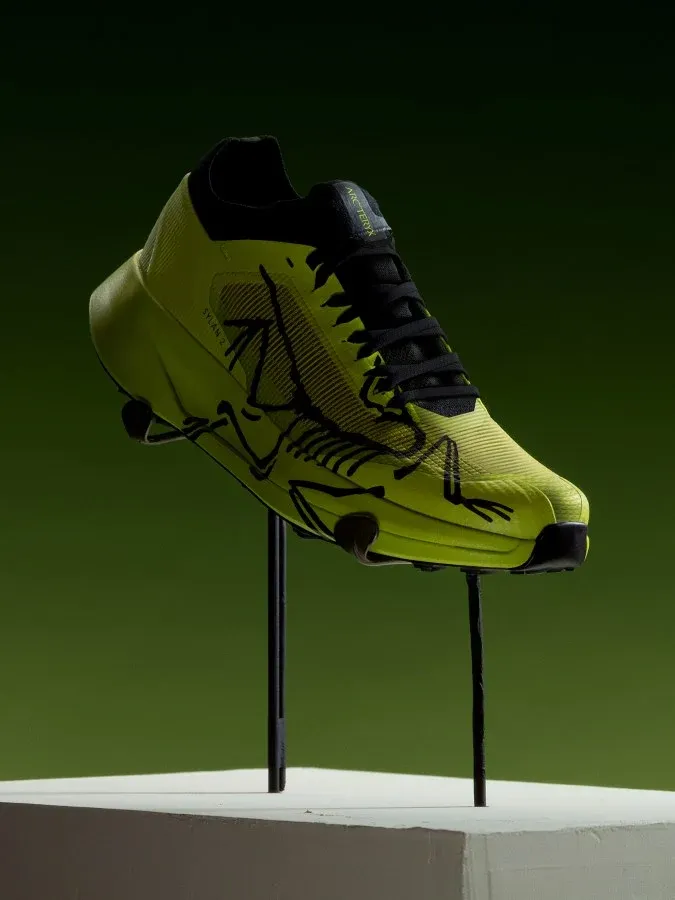
- StrategyAmer Sports GroupShopify POS integration for Amer Sports' Arc'teryx, Wilson and Salomon stores, connecting retail transactions, ERP requirements and marketing while preserving online-only promotions and loyalty offers.
- Adobe CommerceUX/UI & CROHunting & Fishing New ZealandAn Adobe Commerce relaunch for Hunting & Fishing New Zealand, bringing product information, store availability and fulfilment restrictions into a more connected outdoor-shopping experience.
- Adobe CommerceUX/UI & CROASICS NZA New Zealand ASICS storefront built with Brittain Wynyard, connecting local retail systems, global brand requirements, product reviews and customer engagement tools.
- SEOSwanndriAn SEO programme for Swanndri, combining competitor analysis, keyword research, content planning and technical improvements to strengthen organic discovery of its outdoor clothing range.

On the record.
Perspectives from the people we work with.

“Partnering with Overdose. to implement Shopify POS has streamlined our retail operations and enhanced the POS experience.”

Luke Parker,
Digital Project Manager - APAC

“We are thrilled with the launch of our new Atomic websites for Australia, New Zealand and Japan.”

Luke Parker,
Digital Project Manager – APAC

“Salomon and Overdose. have been working together since 2019 to deliver the brand's global eCommerce vision to the local market.”
Salomon

What your product data, your season and your retail network are costing you
A review built for gear and technical apparel rather than retail in general. We look at whether your product data carries the specification your buyer is comparing on, where configuration and sizing lose people before the add to cart, how much non-brand category demand you capture against the brands you compete with, whether your inventory position is honest across DTC, retail, click and collect and wholesale, and how ready the site is for the next season rather than the last. You get back what is costing you revenue, and the order we would fix it in.